
(480) 656-7301
call for free consultation - available 24/7

Posted on September 8, 2026 in DUI
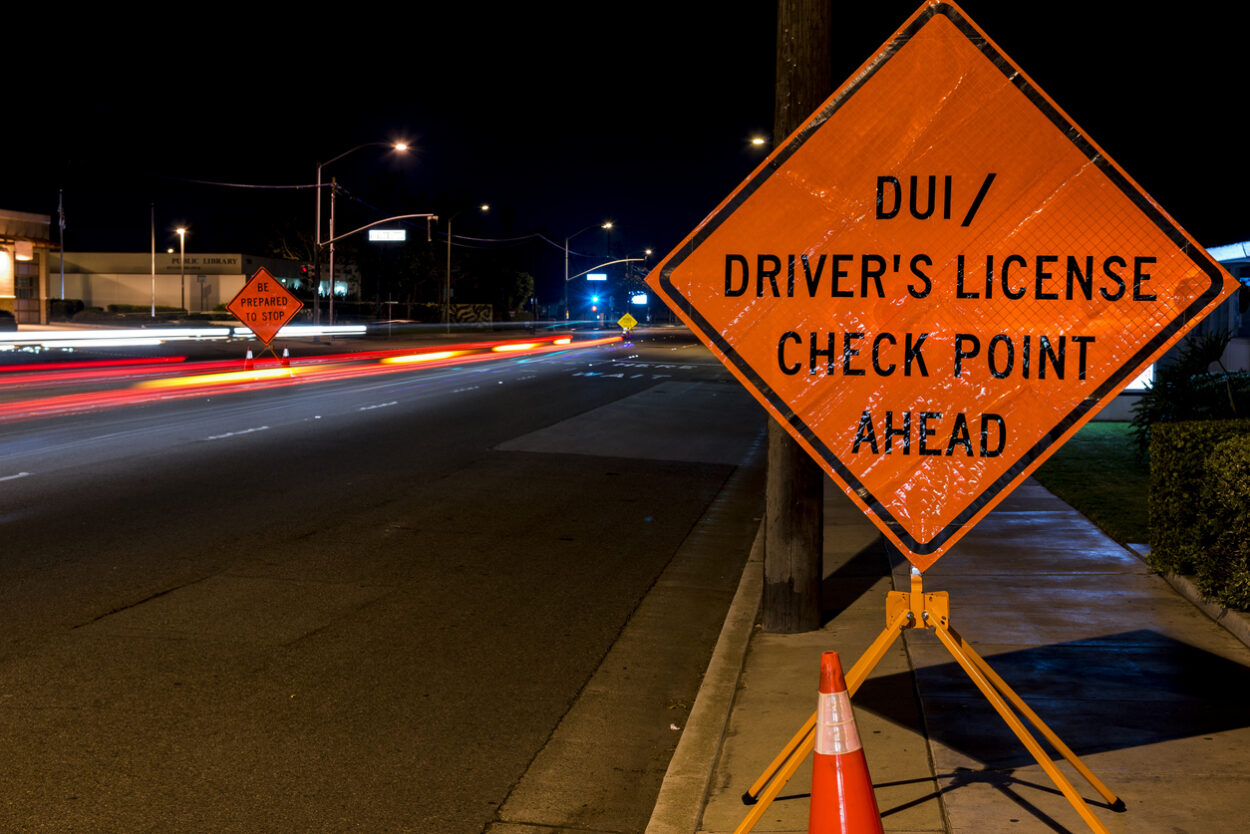
If you have ever been pulled over on suspicion of driving under the influence in Arizona, there is a good chance the officer asked you to blow into a small handheld device on the side of the road.
That device is called a portable breath test, or PBT. It is designed to give officers a quick reading of your blood alcohol concentration during a traffic stop, but it does not carry the same legal weight as the formal tests conducted after an arrest.
Learning about how the PBT fits into Arizona’s DUI process is important because how you respond to it can affect what happens next. We’ll cover how the law treats these devices in more detail below.
A portable breath test is a compact, handheld device that law enforcement officers carry in their patrol vehicles. Under A.R.S. § 28-1322, an officer who has reasonable suspicion that a driver is under the influence may request that the driver submit to a PBT before making an arrest. The purpose of the test is to help the officer decide whether probable cause exists to move forward with a DUI arrest.
This is where many people get confused. The PBT is not the same as the evidentiary breath test that takes place after an arrest, which is typically conducted on a more sophisticated machine like an Intoxilyzer at a police station or DUI processing van. That post-arrest test is subject to stricter calibration standards and is the one that carries real weight in court.
PBT results, on the other hand, may be admissible in Arizona courts if the applicable requirements for admitting breath test results are met. The devices are considered less reliable due to their portable design and limited maintenance standards compared to station-based machines. Officers primarily use PBT readings as one factor among several when building probable cause to make an arrest.
This is one of the most common questions drivers have during a DUI stop; the answer depends on which test is being offered.
The roadside PBT, as well as any field sobriety tests, are generally considered voluntary prior to an arrest. You can decline to take it without triggering any automatic penalties. Refusing the PBT does not fall under Arizona’s implied consent law, which means it will not result in a license suspension on its own.
The situation changes significantly once you are placed under arrest. Arizona’s implied consent statute, A.R.S. § 28-1321, provides that any person who operates a motor vehicle in the state has already given consent to submit to a chemical test after a lawful DUI arrest.
Refusing the post-arrest evidentiary test carries serious consequences, including:
With this distinction in mind, it is critical to understand which test you are being asked to take and what the legal consequences of refusing it may be. The roadside PBT and the post-arrest chemical test are governed by different rules, and the stakes change dramatically once an arrest has been made.
If you were asked to take a portable breath test during a traffic stop in Arizona, or if you are facing DUI charges after submitting to any form of testing, speaking with a criminal defense attorney is one of the most important steps you can take. The way the PBT was administered and how the results were used can both play a role in how your case plays out.
For more information, contact a Phoenix DUI lawyer at Orent Law Offices, PLC, located in Phoenix, AZ. Give us a call or visit our law office at 11811 N Tatum Blvd UNIT 3031, Phoenix, AZ 85028. We offer a free case evaluation, so get the help you deserve today.
Orent Law Offices, PLC
11811 N Tatum Blvd Unit 3031-15B, Phoenix, AZ 85028
(480) 656-7301
Available 24/7