(480) 656-7301
call for free consultation - available 24/7

Posted on October 1, 2026 in Criminal Defense
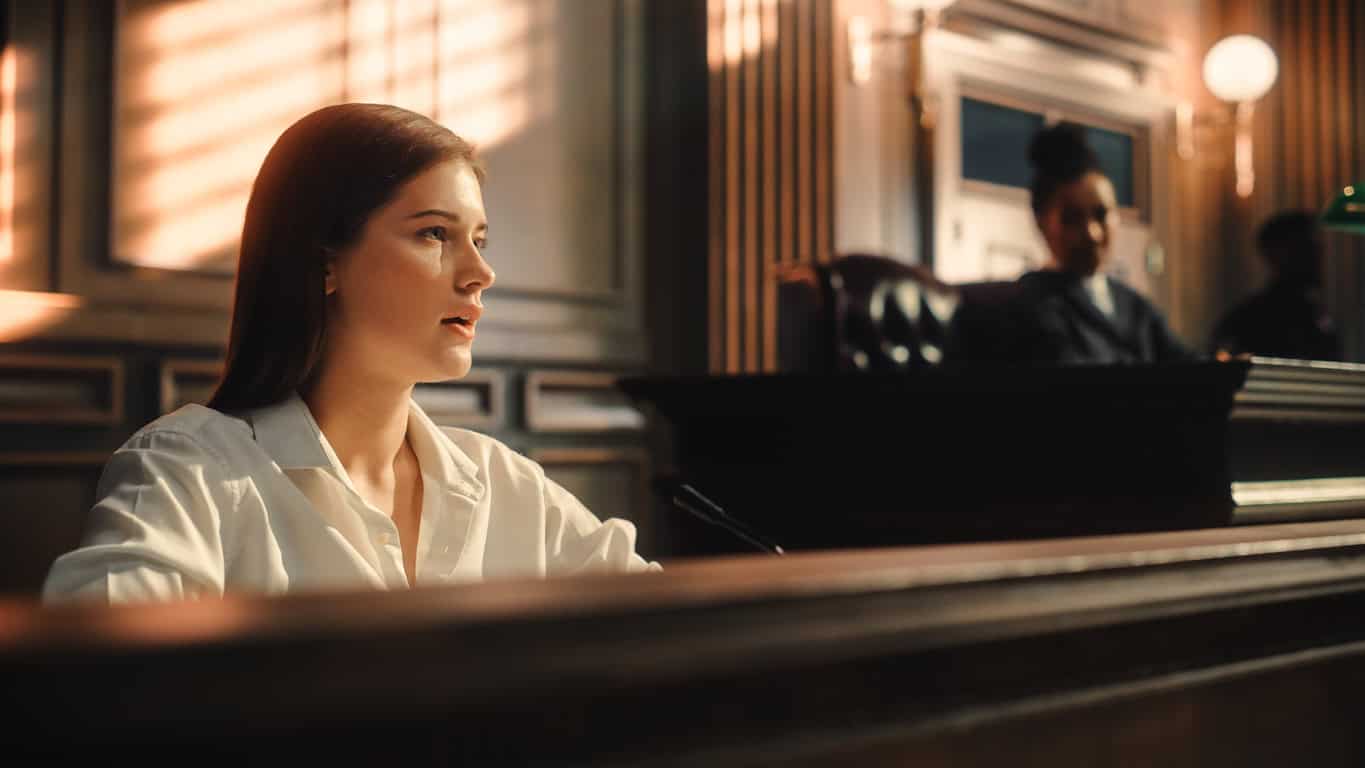
Arizona has two separate crimes for lying under oath, and defendants often assume they’re the same thing, but that isn’t the case. Perjury and false swearing are distinct offenses with different requirements and different penalties, and the difference between them can mean the difference between a Class 4 and a Class 6 felony.
Arizona Revised Statutes § 13-2702 defines perjury as knowingly making a false sworn statement about a material issue, or a false unsworn declaration, certificate, verification, or statement about a material issue that is signed as true under penalty of perjury.
First, the person must believe the statement is false when they make it. An honest mistake, a faulty memory, or a statement someone believed was true is not perjury. Second, the false statement must concern a material issue.
A material statement is one capable of affecting or influencing the issue being decided. The lie doesn’t have to actually change the outcome; it just has to be the kind of statement that could.
Examples of statements that may be material include false claims about who committed an offense, where someone was at a particular time, who owns certain property, financial information, or any facts relevant to guilt, liability, or another disputed issue.
Arizona Revised Statutes § 13-2703 defines false swearing as making a false sworn statement while believing it to be false. The knowing requirement is the same as perjury, but the main difference is that the statute does not require the false statement to concern a material issue. Any knowingly false sworn statement can qualify, even one about something minor.
No. While courtroom testimony is the classic example, Arizona’s perjury statute covers sworn statements and certain written declarations made under penalty of perjury, wherever they occur. That can include court testimony, depositions, sworn affidavits, verified statements, and declarations signed under penalty of perjury.
Plenty of perjury cases arise from documents rather than the witness stand.
No. The central requirement is a knowingly false sworn statement, not a particular location. The setting can vary depending on where an oath or affirmation is legally required, which means false swearing charges can arise from administrative filings, sworn applications, and other contexts outside of a courtroom.
Perjury is a Class 4 felony. For a first offense that’s classified as non-dangerous and non-repetitive, the sentencing range is:
If the defendant has qualifying historical prior felony convictions, Arizona’s repetitive-offender rules can increase the sentencing range substantially. For a Class 4 felony, one historical prior can result in a range of 2.25 to 7.5 years, while two or more historical priors can increase the range to 6 to 15 years.
False swearing is a Class 6 felony, the lowest felony class in Arizona. For a first-time, non-dangerous offense, the sentencing range is:
While the prison terms are shorter than those for perjury, this is still a felony and should be taken seriously.
These charges can involve important factual and legal defenses. The state has to prove you knew the statement was false when you made it, and honest mistakes and bad memory are not crimes. The right defense can also mean the difference between a felony conviction, a reduced charge, or no conviction at all.
If you’ve been charged or think you’re under investigation, don’t talk to anyone before getting legal advice from Orent Law Offices, PLC. Contact an Arizona criminal defense lawyer from our firm today to schedule a confidential consultation.
Orent Law Offices, PLC
11811 N Tatum Blvd Unit 3031-15B, Phoenix, AZ 85028
(480) 656-7301
Available 24/7